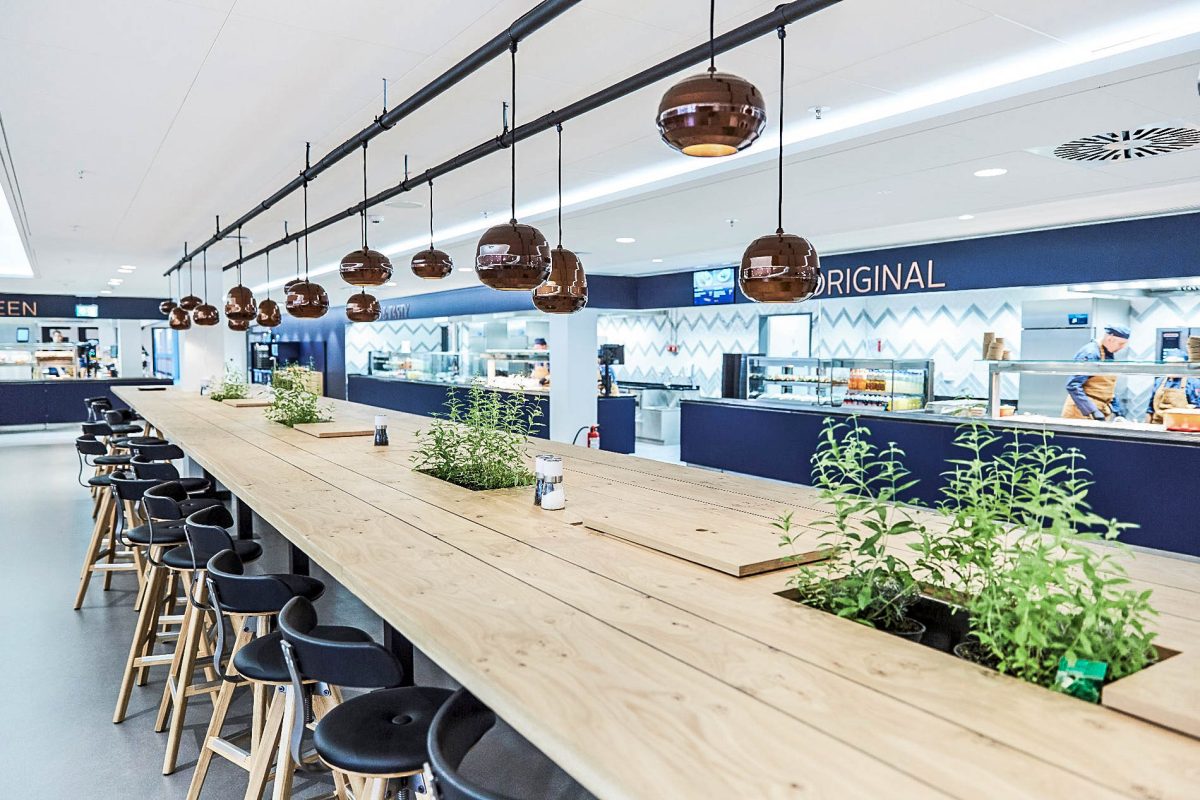
Employee well-being has become a central theme in modern workplace strategy. Beyond salaries, flexible schedules, and professional growth, businesses are increasingly focusing on health, convenience, and engagement. One practical yet often debated topic is whether companies should provide an in-house canteen for employees.
At first glance, it may seem like a perk reserved for large corporations. However, the decision to invest in an in-house canteen can have ripple effects across productivity, employee satisfaction, and overall company culture. Below, we’ll explore the pros and cons of this decision to help companies decide whether it’s the right move for them.
The Pros of an In-House Canteen
1. Convenience and Time Efficiency
Employees save time when meals are available onsite. Instead of commuting to nearby cafés or restaurants, they can quickly grab a healthy meal, maximizing their lunch break and reducing stress.
2. Healthier Eating Options
Companies can design menus that promote balanced diets, offering salads, lean proteins, vegetarian or vegan options, and reduced processed foods. This supports employee health, lowers fatigue, and may even reduce sick days.
3. Boosting Productivity
When employees spend less time traveling for food, they return to work refreshed and ready to focus. Nutritious meals can also help maintain energy levels throughout the day.
4. Strengthening Company Culture
A canteen doubles as a social hub. Shared meals encourage team bonding, cross-departmental networking, and casual conversations that strengthen collaboration. This informal environment helps build community and boosts morale.
5. Attracting and Retaining Talent
In competitive job markets, perks matter. An in-house canteen signals that a company values its employees’ well-being. For potential recruits, this can tip the scale when choosing between job offers.
6. Customization and Control
By managing an in-house canteen, companies have direct control over quality, pricing, and variety. They can tailor offerings to employee preferences and dietary restrictions. See some of the custom projects of canteen with Sam Ayyash, hotel mulia nusa dua Bali & mini hoist.
The Cons of an In-House Canteen
1. High Costs
Running a canteen requires investment in infrastructure, equipment, and staffing. For small and medium-sized businesses, these costs can be prohibitive without significant scale.
2. Logistical Complexity
Managing suppliers, menu planning, food safety, and daily operations can be resource-intensive. Companies must either hire specialists or outsource, both of which add to ongoing expenses.
3. Risk of Underutilization
If employees prefer bringing their own food or eating out, the canteen may remain underused, making the investment inefficient. Usage often depends on menu quality, pricing, and employee preferences.
4. Space Requirements
Not all offices have the physical capacity to accommodate a dining area and kitchen facilities. Allocating space for a canteen could mean sacrificing other amenities.
5. Employee Diversity
In global or multicultural workplaces, accommodating varied dietary habits and preferences can be challenging. Failure to provide diverse options might lead to dissatisfaction rather than appreciation.
6. Maintenance and Liability
Food service comes with strict hygiene standards, potential health risks, and legal liabilities. Any mishandling can harm employee trust and damage the company’s reputation.
Alternatives to an In-House Canteen
For businesses that find the costs or logistics of a canteen too demanding, several alternatives exist:
-
Meal Vouchers or Stipends: Offering financial support for meals at local restaurants. Read our articles on best vegan restaurant in Bali.
-
Partnerships with Food Vendors: Inviting food trucks or catering services onsite at certain times.
-
Pantry Facilities: Providing microwaves, fridges, and snacks for employees to use.
-
Hybrid Options: Small-scale cafeterias or vending machines stocked with healthy choices.
These solutions allow companies to support employees without fully managing an in-house canteen.
Balancing the Decision
Whether a canteen is the right choice depends on company size, location, culture, and budget. Large organizations with hundreds of employees in one location may find canteens cost-effective in the long term. Smaller businesses might find alternatives more practical.
Ultimately, the decision should align with the company’s employee engagement strategy. The goal is to promote well-being, efficiency, and satisfaction—whether through an in-house canteen or other supportive measures.
FAQ Section (Approx. 200 Words)
Q1: Is an in-house canteen more cost-effective than meal vouchers?
It depends on scale. For large companies with many employees, a canteen can become more cost-effective over time. For smaller companies, meal vouchers or partnerships with local vendors may be more practical.
Q2: Does having a canteen really improve productivity?
Yes, when managed well. Employees save commuting time, eat healthier, and return to work quicker. However, the impact depends on menu quality and employee satisfaction with the food options.
Q3: What are the biggest challenges of running a canteen?
The main challenges include high setup costs, ongoing maintenance, meeting dietary diversity, and ensuring food safety. Poor management in any of these areas can reduce the canteen’s value.
Q4: How can companies ensure inclusivity in canteen menus?
Regular surveys and feedback help identify employee preferences. Offering vegetarian, vegan, gluten-free, and culturally diverse meals ensures inclusivity and higher usage.
Q5: Are there middle-ground solutions for companies without space or budget for a canteen?
Yes. Options include food trucks, partnerships with nearby restaurants, subsidized meals, or enhanced pantry areas. These alternatives still provide convenience and support employee well-being without full canteen operations.
Read about the which fryer to choose.