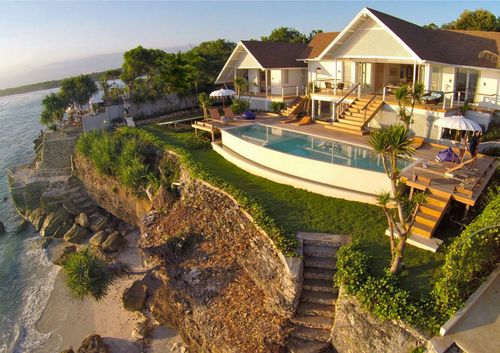
Bali, Indonesia — sometimes called the “Island of the Gods” — has undergone a dramatic transformation over the past three decades. From a relatively low-key tourism locale to one of the world’s premier destinations, its hospitality and real estate sectors have evolved in response to international demand, infrastructure improvements, changing markets, and regulatory shifts. This blog traces that evolution from the 1990s to the present, outlining key phases, drivers, challenges, and opportunities.
1990s: The Beginning of the Boom
In the early 1990s, Bali was known primarily for beaches, natural scenery, cultural richness, and affordable guesthouses. Tourist numbers were growing, but large resorts were few, and many small-family-run accommodations dominated. The infrastructure—roads, airports, utilities—was comparatively underdeveloped.
Key features of this era:
-
Modest hotel chains and foreign investment were beginning to appear, but mostly limited to major resort areas like Nusa Dua and Sanur.
-
Villas and small resorts were often built by local investors or expatriates—roughly boutique in scale, providing character rather than luxury.
-
Land prices in many areas were low; farmland, rice paddies, and coastal plots were available at affordable cost for foreign and domestic buyers.
This period laid the groundwork: Bali was becoming visible internationally, particularly among surfers, backpackers, honeymooners, and culture/wellness seekers.
2000s: Expansion & Brand Entry
In the 2000s, Bali saw a major shift: more established international hotel brands arrived, and luxury resorts began to proliferate. The island’s image was being refined; comfort, high standards, and amenities became more expected.
Important developments:
-
Big resort complexes in Nusa Dua, Jimbaran, Uluwatu, and Seminyak started to multiply.
-
Branded residences and resorts—where the ownership or investment is combined with hospitality-style management—grew in presence.
-
Real estate investment increased, especially among foreign investors and Indonesians with higher wealth levels, drawn by Bali’s lifestyle appeal.
This era saw rising expectations—from clients, from hospitality operators—and land usage changed. Rice paddies and farmland near tourist hubs became valuable zones for development.
2010s: Diversification & Saturation
Going into the 2010s, Bali’s hospitality and real estate market began diversifying. New trends emerged:
-
Villas and boutique stays: Alongside large resorts, boutique villas aimed at guests seeking privacy and more intimate experiences grew significantly. Airbnb and other vacation-rental platforms started influencing choices.
-
Emerging sub-areas: Regions like Canggu, Pererenan, Umalas gained popularity, not just for surfing but as lifestyle hubs. Seminyak, while already established, kept evolving. Ubud remained an important wellness, arts and retreat center.
-
Infrastructure improvements: Better roads, airport expansions (Ngurah Rai), better internet/international connectivity, more international schools and amenities. This made non-coastal, less tourist-dense zones more accessible – harga website company profile.
-
Regulatory changes and formalisation: More attention paid to legal ownership, land title issues, zoning, environmental impact. Accommodation licensing began to matter more.
By mid-2010s, the market faced early signs of saturation: many villas, apartments, resorts in popular zones. Land became scarcer and more expensive, especially near beaches or with ocean views.
Impact of COVID-19 and Recent Reset (2020-Present)
The COVID-19 pandemic was a defining disruption worldwide; Bali was no exception. Tourism dropped dramatically with border closures. But the aftermath is interesting because of how the market adjusted.
Observations:
-
Sharp drop and recovery: The fall in tourist arrivals hurt hospitality in 2020-21, but there has been a strong rebound since as restrictions eased. Domestic tourism contributed, but foreign visitors returned, as did digital nomads, remote workers.
-
Shift in demand: More demand for wellness, eco-friendly, private villas or residences that combine lifestyle and hospitality. Guests started expecting higher standards of hygiene, flexibility in booking, capabilities for remote work.
-
Regulatory innovation: Indonesia introduced frameworks like OSS-RBA (Online Single Submission – Risk Based Approach – Jualan buah) licensing, allowing villas, guesthouses, homestays etc. to formalize operations without star ratings. This broadened the supply of legally compliant alternative lodging.
-
Branded residences gain momentum: Investors increasingly prefer integrated developments managed by known hospitality brands. These offer professional management, higher perceived value, amenities, and better marketing.
2025: Current Landscape & Key Trends
As of 2025, the hospitality & real estate markets in Bali reflect both growth and complexity. Key status and trends include:
-
Branded residences & managed properties: A growing share of supply is hospitality-managed residences (condominiums, villas) under international brands. Although they still represent a minority of total supply, their share is increasing because of investor preference for quality, transparency, and stable operations.
-
Fragmented supply: Despite big name developments, many properties remain small-scale: villas, boutique guesthouses, independent stays. Demand is strong but competition is high.
-
Price inflation & land scarcity: Popular regions (Canggu, Uluwatu, Pererenan, Seminyak) have very high land and property prices. Emerging zones offer somewhat lower entry points but often lack infrastructure or suffer from regulatory inconsistency.
-
Sustainability & wellness: Eco-design, green building, wellness retreats, clean water, waste management, reduced environmental impact are important differentiators. Both investors and guests care more.
-
Regulatory constraints & moratoriums: In response to overdevelopment, environmental concerns, land conversion issues, local authorities have imposed moratoriums and stricter land use and zoning regulations (for example banning construction of hotels, villas on certain agricultural lands).
Drivers of Change
Putting the timeline together, what have been the major forces shaping Bali’s hospitality & real estate markets?
-
Tourism growth and changing traveler preferences
As global travel increased and Bali’s image strengthened, more visitors arrived. Over time, expectations shifted: not just “sun & surf” but lifestyle, wellness, authentic culture, remote work-friendly stays. -
Foreign investment & expatriate influx
Investors from abroad and domestic high net worth individuals contributed capital. Residential demand (long stays, retirement, digital nomads) complemented short-stay segments. -
Infrastructure improvements
Improved transport (roads, airport), utilities, connectivity (internet), services (healthcare, schooling) made new areas viable and attractive. -
Regulatory evolution
Laws around land ownership, titles (leasehold, rights to use), licensing, zoning, environmental protection have gradually tightened. Licensing frameworks like OSS-RBA allowed more formalization of smaller operators. -
Technology and distribution channels
OTA platforms (Airbnb, Booking.com etc.), digital marketing, remote booking and reviews empowered smaller lodging operators, making competition not only among big hotels but across many kinds of properties. -
Environmental & social concerns
Overdevelopment, loss of rice paddies, water shortages, traffic, pollution emerged as serious issues. Regulatory response and consumer awareness pushed for more sustainable development.
Opportunities & Challenges Ahead
Opportunities:
-
Investors can tap into emerging zones (less developed but growing) with good potential for capital appreciation.
-
Projects that integrate hospitality, branded residences, wellness, and sustainability have strong appeal.
-
Hybrid models: combining residential use, hotel-style service, flexible stays.
Challenges:
-
Regulatory uncertainty and moratoriums make long-term planning tricky.
-
Environmental stress: water supply, waste management, land conversion pressures.
-
Oversupply risks in certain villa markets; not all properties will succeed, especially those without professional management or distinct value proposition.
-
Rising costs: land, materials, labor have increased, shrinking margins unless efficiencies achieved.
Conclusion
From modest guesthouses in the early 1990s to luxury branded residences and boutique resorts in 2025, Bali’s hospitality and real estate sectors have changed profoundly. The evolution reflects shifting traveler expectations, investment patterns, regulatory environments, and social and environmental awareness. Going forward, success in Bali real estate and hospitality will favor those who understand both the big trends and the local specificities: location like vendor sablon, legal status, sustainable design, and strong experiential quality. Those who adapt will likely benefit; those who don’t may find themselves facing stranded assets in a fast-evolving market.
FAQ
Q1: What legal ownership options do foreign investors have in Bali, and how have they changed?
Foreigners typically cannot own freehold land in most parts of Indonesia. Common alternatives include leasehold agreements and Hak Pakai (“Right to Use”) or using foreign investment (PMA) entities to secure longer term interests. Over time, regulatory frameworks like OSS-RBA have helped formalize lodging operations, but land ownership laws remain restrictive and require careful legal advice. You can find more advice with Bali Property & Luxury Villas.
Q2: What is OSS-RBA and why is it important?
OSS-RBA is an Indonesian regulatory licensing framework (“Online Single Submission – Risk-Based Approach”) that allows lodging businesses (villas, guesthouses, homestays) to obtain legally compliant licenses without being star-rated hotels. It lets alternative lodging options operate openly, which broadens the supply and helps smaller operators compete. It has been a key factor in the recent accommodation market transformation.
Q3: Are villas a safer investment than hotels in Bali today?
It depends. Villas (especially standalone ones) had been lucrative, particularly for short-term rentals and private use. However, risks include oversupply, variable occupancy, high maintenance, and competition via platforms like Airbnb. Branded villas or integrated developments with professional management tend to offer more consistent returns.
Q4: What regions in Bali are expected to grow next?
Emerging areas include Tabanan, parts of north Bali, and zones outside saturated coastal hotspots. These regions offer lower entry prices and potential for infrastructure growth. But infrastructure and regulatory support are crucial.
Q5: How is sustainability shaping future development?
Sustainability is increasingly central: developers are incorporating eco-friendly design, renewable energy, water conservation, waste management, and community impact. Guests and investors prefer destinations that balance luxury/lifestyle with environmental and social responsibility. This trend is likely to influence zoning and regulation as well.